The main difference between myopia (nearsightedness) and hyperopia (farsightedness) is whether you struggle to see objects that are far away or up close. […]
Myopia vs. Hyperopia: What’s the Difference?



The main difference between myopia (nearsightedness) and hyperopia (farsightedness) is whether you struggle to see objects that are far away or up close. […]
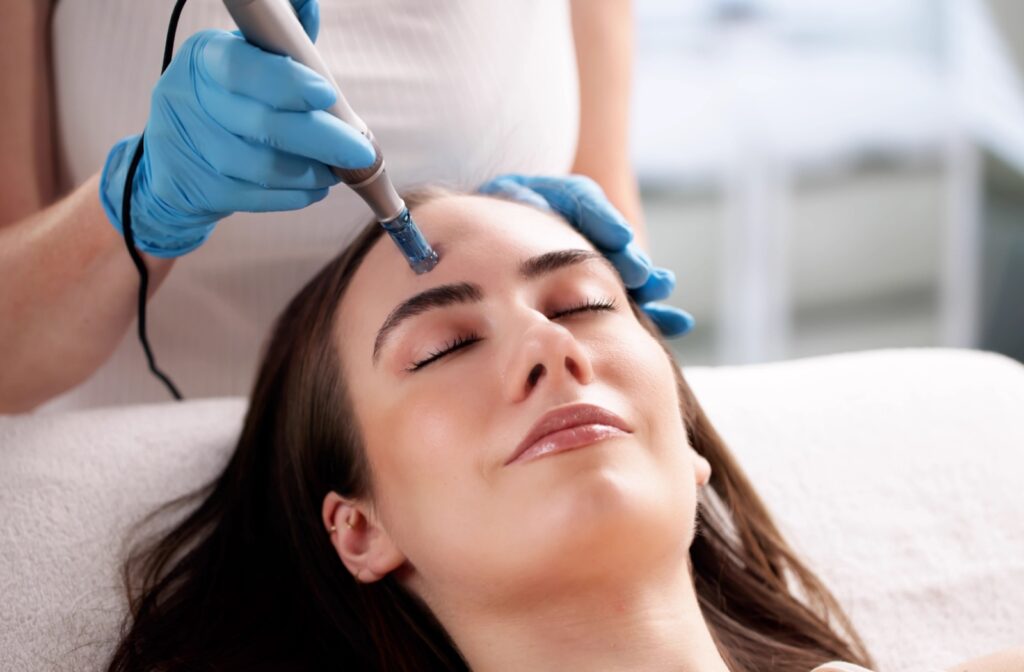
Though they both help you achieve healthier-looking skin, microneedling and microdermabrasion are not the same procedure. […]
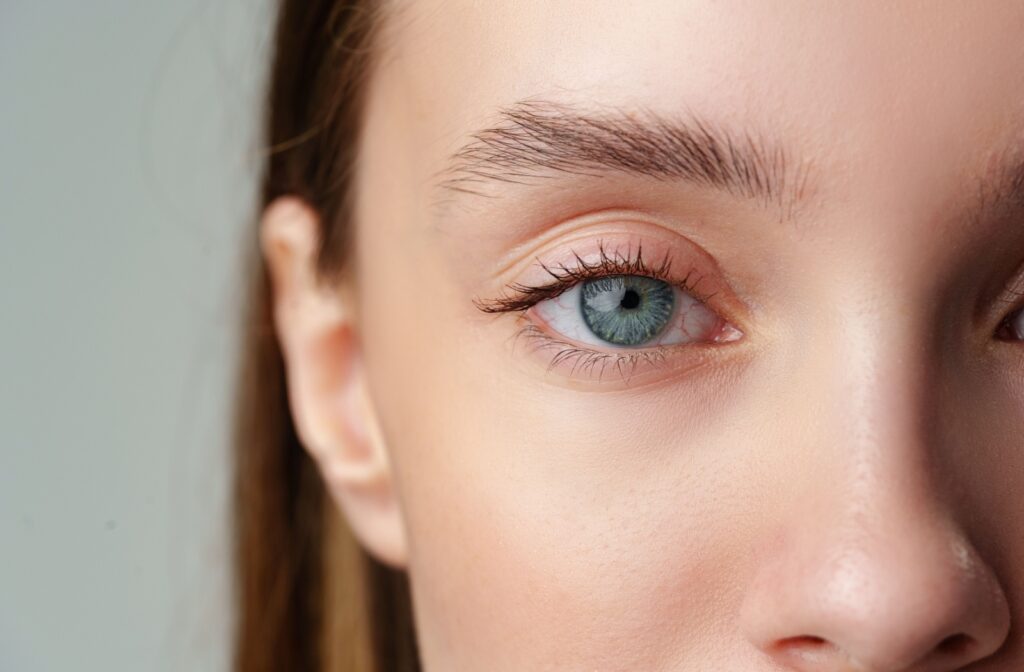
You can help unclog your meibomian glands through a combination of consistent at-home care and professional treatments designed to restore proper oil flow. […]

A lack of several key nutrients, especially Vitamin A and omega-3 fatty acids, can contribute to persistent dry eye symptoms. […]

Essilor Stellest lenses are a specific type of spectacle lens designed to correct your child’s current vision while also helping to manage the progression of their nearsightedness. […]
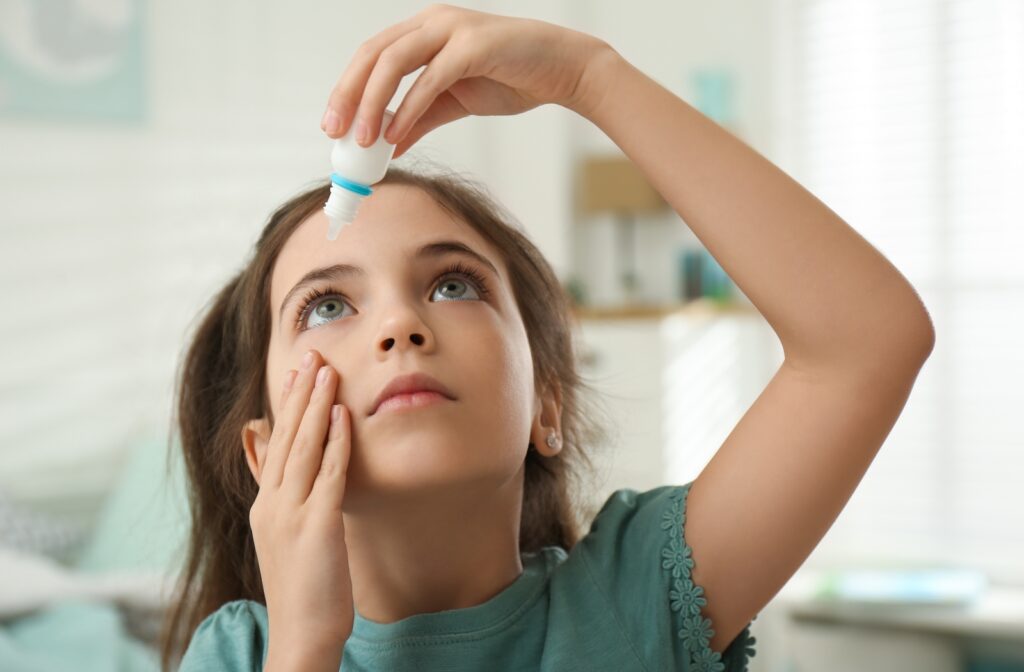
Eye drops are available for children, but not all eye drops are made for kids. While some over-the-counter products are safe for short-term use, discussing long-term use at a children’s eye care appointment is crucial.
Common uses for kids eye drops include:
Allergies
Dry eyes
Eye infections
Myopia control
If you’re unsure what eye drops you child can or cannot use, talk to your eye doctor […]
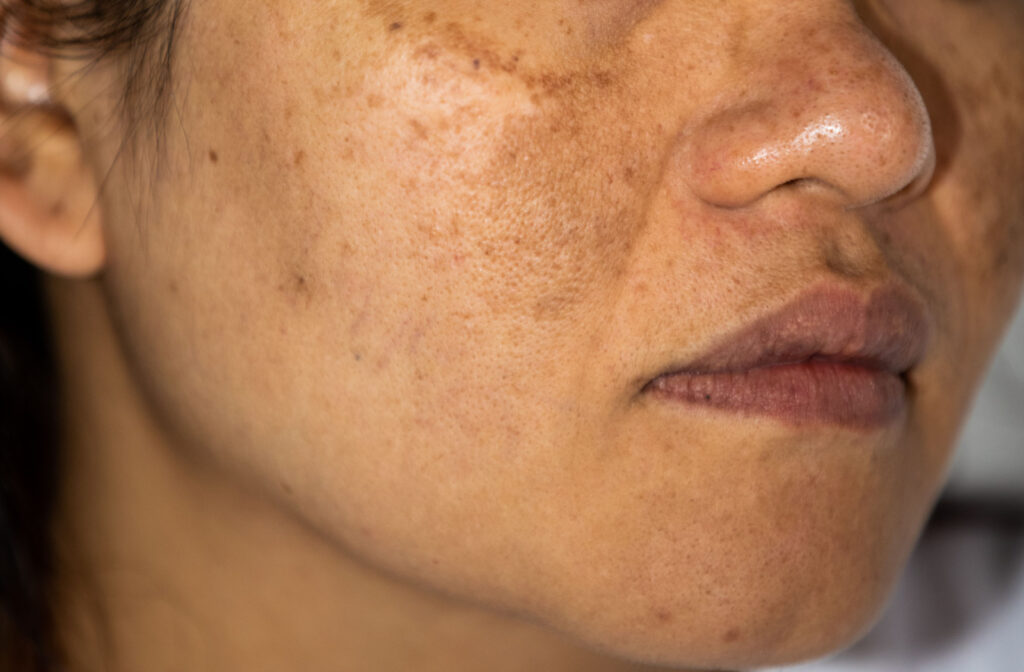
as individual as the person it affects, with treatment times varying according to numerous factors. While some may see a speedy resolution, others may be in for a longer journey requiring patience and persistence. […]
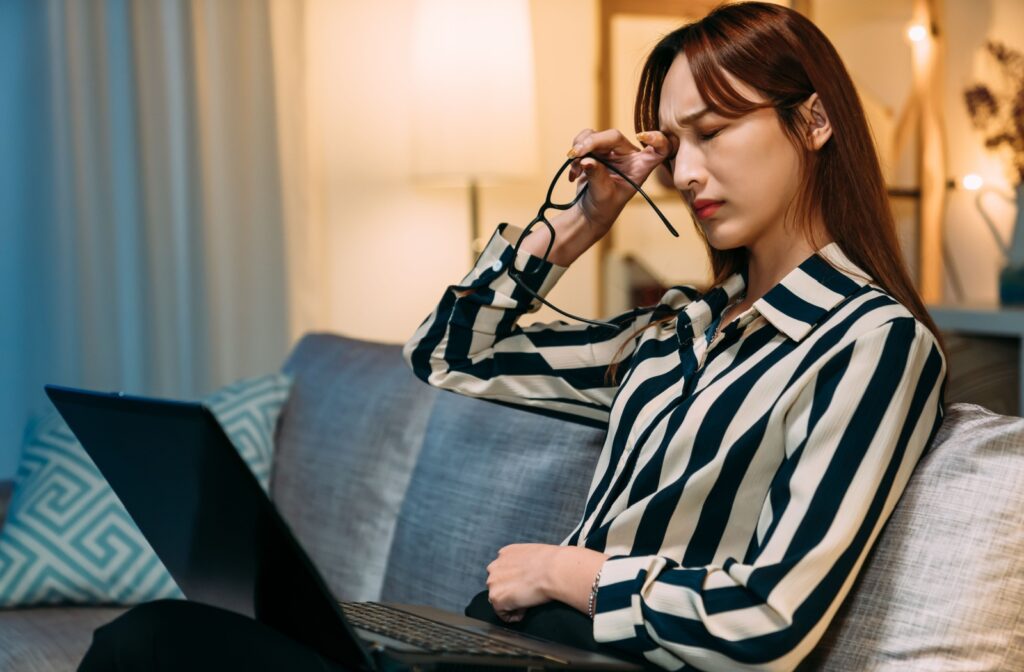
Meibomian gland dysfunction is a chronic condition, which means the focus is on long-term management rather than a complete cure. […]
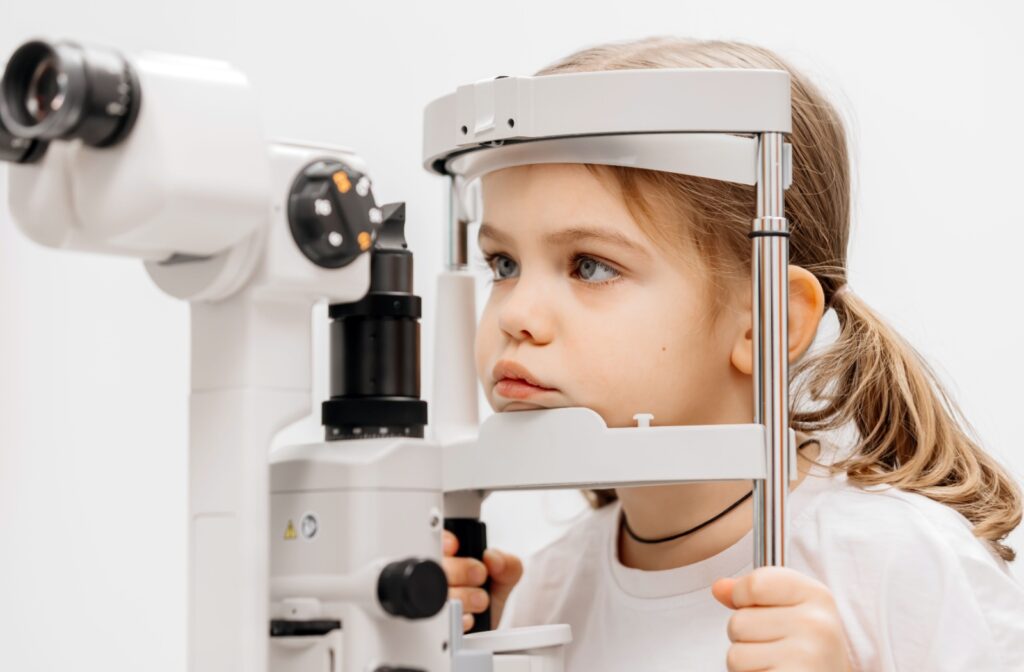
We recommend children have their first comprehensive eye exam between 6 and 12 months of age, with follow-up appointments at key developmental stages. […]
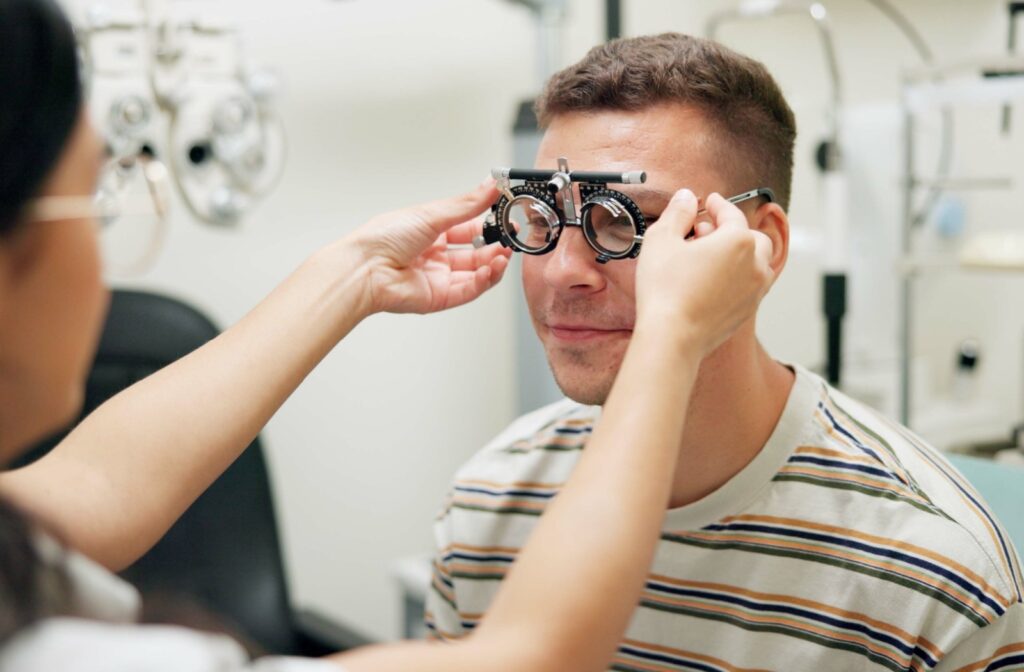
A comprehensive eye exam is a full check-up of your vision and eye health designed to detect issues early, even before symptoms appear. […]
Eye Lab