
Key Takeaways
- Polarized lenses filter glare from water, roads, and snow, while regular lenses reduce brightness.
- Because they cut glare, polarized sunglasses can help reduce eye strain during long drives and outdoor activities.
- They may not be the right choice for reading digital screens or skiing in low-light conditions.
- UV400 protection matters no matter which lens type you choose.
- An eye doctor in Scottsdale can help you find the right fit for your lifestyle.
The Right Sunglasses for the Arizona Sun
You’ve probably squinted through a drive on a sunny afternoon because the glare off the road makes it hard to see clearly. Or maybe your kids come home from a day at the lake, rubbing their tired eyes. That discomfort has a name, and the right sunglasses can do a lot to address it. At Eye Lab, we carry a range of sunglasses designed to match how you and your family actually spend time outside, from weekend drives to afternoons by the pool.
Polarized sunglasses are designed for cutting glare, which can make a noticeable difference in clarity and comfort, but that doesn’t make them “better” for every situation or person. The key is knowing what sets them apart and whether that matches how you actually spend your time outdoors. If you’re exploring your options, browsing the full sunglasses collection is a good place to start.
What Polarized Lenses Actually Do
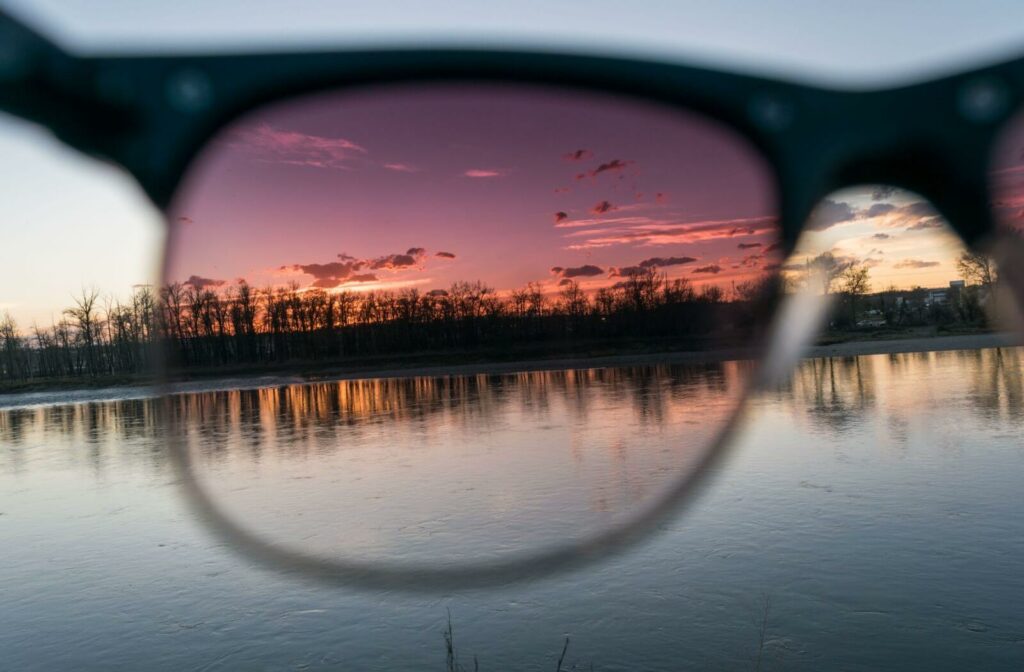
Light waves bouncing off flat surfaces like roads, water, or car hoods travel in a horizontal direction. That reflected light is what causes glare. Polarized lenses have a built-in filter that blocks horizontal light before it reaches your eyes.
Standard non-polarized lenses reduce the overall brightness coming through, but they don’t target glare specifically. Think of it this way: Non-polarized lenses are like curtains, covering the whole window and making everything a little darker. Polarized lenses, on the other hand, are like special blinds, blocking certain kinds of light and letting others in. Both help, just in different ways.
The Real Benefits of Polarized Sunglasses
Clearer, More Comfortable Vision
When glare is filtered out, you may notice that colors look more accurate and contrast becomes sharper. If you’ve ever watched your kids splash around in a pool and struggled to see them clearly through the reflection, polarized lenses can make a real difference. Details you’d normally miss pop into focus.
Outdoor scenes may also look more natural. Grass can look greener, the sky may look cleaner, and faces can be easier to see in bright conditions. For families spending time outside in Arizona, that clarity adds up.
Less Eye Strain Throughout the Day
Your eyes work harder than you realize when they’re constantly processing glare. That extra effort can contribute to fatigue, headaches, and that tight, tired feeling after a long day in the sun. Polarized lenses take some of that load off.
Long drives are a good example. A road trip through the desert with the sun low on the horizon can be a lot for your eyes. Polarized lenses can help reduce that fatigue, so you may feel more comfortable when you arrive.
When Polarized Lenses May Not Be the Right Fit
Polarized lenses aren’t a match for every situation. There are a few specific cases where you may be better off with a different kind of lens. Here are a few examples:
- LCD screens on phones, tablets, and dashboards can look dark or distorted through polarized lenses.
- Low-light conditions, like early morning or overcast days, may not benefit from polarization and can even feel too dim.
- Skiers sometimes avoid polarized lenses because the glare off ice patches actually helps with depth perception. Without it, those cues can be harder to spot.
If you spend a lot of time looking at screens outdoors or working in variable lighting, a non-polarized lens might serve you better day-to-day.
Polarized vs. Non-Polarized: Which Should You Choose?
Consider Polarized If You…
- Spend time near water, snow, or open highways regularly.
- Drive often, especially during bright morning or afternoon hours.
- Play outdoor sports like golf, tennis, or fishing.
Consider Non-Polarized If You…
- Use your phone or a GPS screen frequently while outdoors.
- Are looking for a lens for skiing or snowboarding.
- Spend most of your outdoor time in shaded or overcast settings.
What to Look for in Any Pair of Sunglasses
Whether you go polarized or not, UV protection is a non-negotiable. Look for a UV400 label or a clear UVA/UVB rating on any pair you consider, because without it, dark lenses can actually make things worse. This is because they cause your pupils to open wider with no filter to protect them.

Frame size matters too. Larger frames can offer more coverage and block light coming in from the sides, which is helpful for adding even more protection on bright days. For kids who spend a lot of time outdoors, pairing the right sunglasses with a children’s eye exam can help make sure their vision is developing the way it should.
Find Your Next Pair of Sunglasses in Scottsdale
The most reliable way to find the right lens for your lifestyle is to talk it through with an eye doctor. At Eye Lab, our team takes the time to understand how you live, what you need, and which options actually fit your day-to-day life. Stop by the optical boutique to try on frames, explore lens options, and find a pair that works as hard as you do. You can book an appointment at any time to get started.