

You may hear about different skin treatments at places like Eye Lab and wonder what makes each one unique. When you look into aesthetic treatment options for improving your skin’s texture and tone, microdermabrasion and microneedling often come up, but their names can be confusing.
Though they both help you achieve healthier-looking skin, microneedling and microdermabrasion are not the same procedure. Each treatment works differently and addresses specific skin concerns, from surface-level dullness to deeper textural issues like fine lines and scars.
A Look at Microneedling: Collagen Induction Therapy
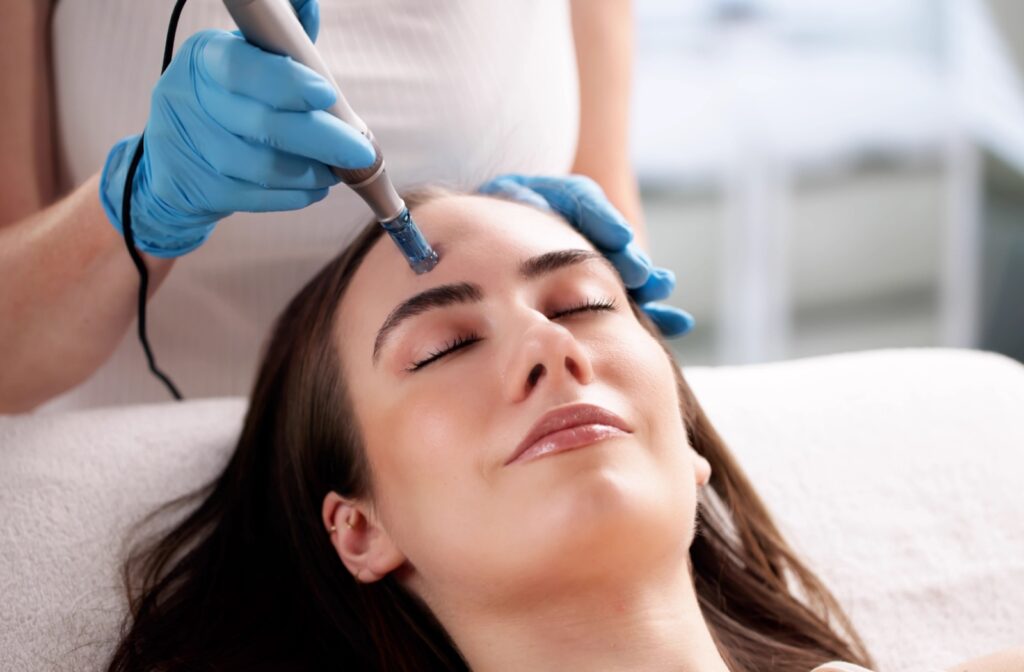
Microneedling is a procedure that uses your skin’s natural healing abilities. It is designed to help your body build new collagen, which can lead to smoother and firmer skin over time.
How Microneedling Works
- A specialized tool with very fine needles creates tiny, controlled punctures in the top layer of your skin.
- This process signals your body to begin healing itself.
- Your skin responds by producing new collagen and elastin to repair these micro-wounds.
What Skin Concerns It Addresses
- Fine lines and wrinkles
- Acne scars and surgical scars
- Enlarged pores
- Uneven skin texture
- Stretch marks
What to Expect After Your Session
Your recovery depends on the depth of the treatment, but you can typically expect some common effects as your skin heals.
- Immediately after: Your skin may look and feel like it has a mild sunburn. Some redness and swelling are normal.
- First few days: The redness begins to fade, and you might notice light peeling or flaking as your skin renews itself.
- One week later: Most sensitivity should be gone, and your skin’s appearance can continue to improve.
A Look at Microdermabrasion: A Gentle Exfoliation
Microdermabrasion is a noninvasive treatment that exfoliates the surface of your skin. You can think of it as a deep cleaning that helps reveal a brighter, more even complexion underneath, with sessions typically recommended every few weeks to maintain results.
How Microdermabrasion Works
- A special tool gently removes the top layer of dead, damaged skin cells.
- The tool uses fine crystals or a diamond tip to buff the skin.
- A built-in vacuum then suctions away the loosened skin cells and debris.
What Skin Concerns It Addresses
- Dull complexion
- Uneven skin tone or texture
- Sun damage and age spots
- Superficial acne marks
What to Expect After Your Session
This procedure is sometimes called a “lunchtime facial” because it requires very little downtime.
- Immediately after: You might see some mild redness, but this usually fades within a few hours.
- First few days: Your skin may feel smoother right away. It is important to keep your skin hydrated and protected from the sun.
Key Differences: A Side-By-Side Comparison
While both treatments can improve your skin’s appearance, they work in different ways. The main distinction is that one works on the surface, while the other works just beneath it. Understanding these key differences between exfoliation methods can clarify their unique purposes.
The Procedure and Depth
- Microdermabrasion: Works on the outermost layer of your skin—the epidermis. It is a form of physical exfoliation.
- Microneedling: Works by creating punctures that go just below the skin’s surface, which triggers a deeper healing response.
Downtime and Recovery
- Microdermabrasion: Involves minimal to no downtime. You can often return to your daily activities right away.
- Microneedling: Typically requires a few days for recovery while redness and sensitivity subside.
Number of Sessions Required
Results for both treatments are progressive. You may need a series of sessions—often between 4–6 treatments spaced several weeks apart—to achieve your desired outcome.
Which Treatment Fits Your Skin Goals?
The right choice depends on what you want to achieve for your skin. Neither treatment is better than the other—they just have different jobs.
For Fine Lines and Deeper Wrinkles
Microneedling is generally more effective for addressing fine lines and wrinkles. The collagen production it stimulates helps plump the skin from within, which can reduce the appearance of lines. Other noninvasive skin tightening treatments also use this principle.
For Acne Scars and Skin Texture
For deeper acne scars, microneedling may be the preferred option because it helps rebuild the skin’s foundation. Microdermabrasion can help with very superficial marks and overall texture.
For a Brighter, More Even Complexion
If your main goal is to treat surface-level concerns like a dull complexion or sun spots, microdermabrasion can be a great choice. It is one of several options, like chemical peels, that can refresh your skin for a more even tone.
Safety and Suitability for Skin Treatments
Both procedures are considered safe when performed by a qualified professional, but they may not be right for everyone. Understanding your skin’s unique needs is the first step toward any treatment, which is why personalized aesthetic services are so important.
Who Makes a Good Candidate
- Microneedling: Suited for people looking to address concerns like scars, wrinkles, and skin laxity.
- Microdermabrasion: A good fit for those with superficial issues like dullness or uneven skin tone.
When to Postpone Treatment
You may need to avoid both treatments if you have certain skin conditions, as the procedures could make them worse. These include:
- Active acne breakouts or skin infections
- Open sores or wounds
- Conditions like eczema or rosacea
- Pregnancy or breastfeeding
Making a decision about your skin care can feel complex. A personalized approach is always a good idea to help you meet your aesthetic goals.
Start with a Personalized Consultation
A professional consultation at Eye Lab allows you to discuss your specific concerns and history. Our team can assess your skin type and recommend a treatment plan tailored to you. When you visit a trusted eye doctor in Scottsdale who also offers aesthetic services, you can receive a holistic view of your health and beauty. Book your consultation today to get started.