

Key Takeaways
- Pink eye is redness in the whites of the eyes and the inner eyelids, and it can affect one or both eyes.
- Viruses, bacteria, allergies, and irritants can all lead to pink eye in kids.
- Each type tends to show different signs, from thick goop to itchy, puffy eyes.
- Handwashing and separate towels can help slow the spread at home.
- An eye exam can help identify the type and guide treatment.
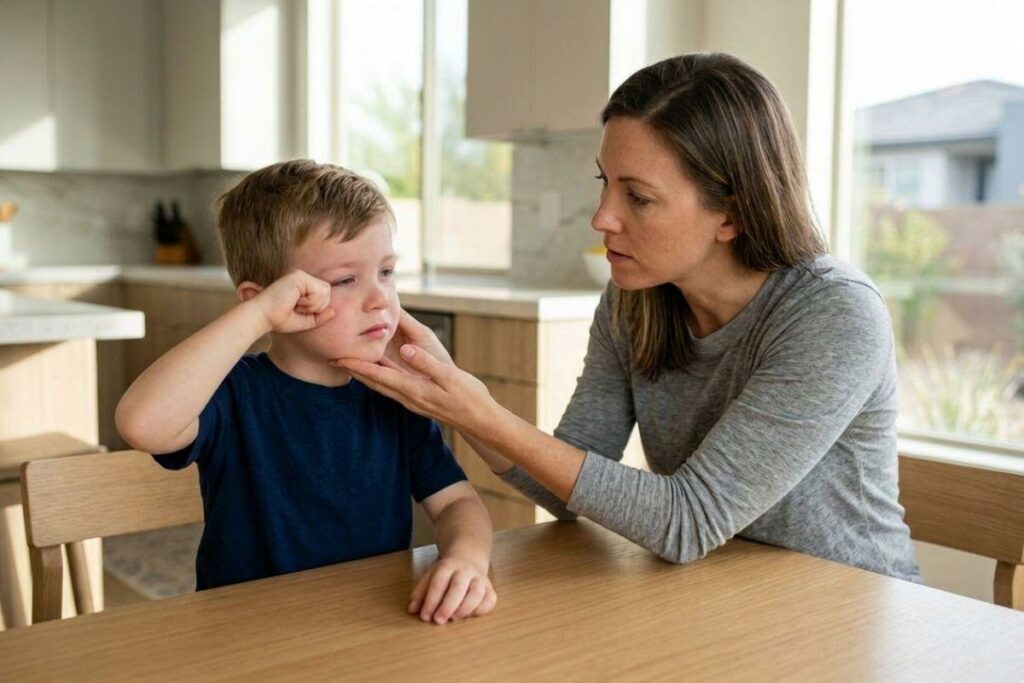
You notice it at breakfast. Your child’s eye looks red, a little crusty, and they keep rubbing it. Parents ask our team at Eye Lab about this all the time, and the answer depends on what’s behind the redness.
Pink eye in kids usually comes from a virus, bacteria, allergies, or irritants like pool chlorine and smoke. If you can’t tell which type your child has, a comprehensive eye exam with an eye doctor in Scottsdale can help you get clear answers and a plan for relief.
What Is Pink Eye in Kids?
Pink eye is redness of the whites of the eyes and the inside of the eyelids. It can show up in one eye or both.
Young kids get it often, but teens and adults can get it too, so the whole family can feel its effects.
Common Causes of Pink Eye in Kids
Viruses
Viruses frequently cause pink eye in preschool and school-age kids. They come from the same virus group behind colds, so your child may have a runny nose or cough at the same time.
Viral pink eye often looks and feels like this:
- The eyes look red, watery, and irritated.
- Your child says the eye feels gritty or sandy.
- Cold symptoms show up at the same time.
Bacteria
Bacterial pink eye is also common in young kids. It can show up alongside an ear infection. It also appears more often from December through April.
Bacterial pink eye tends to bring these signs:
- Thick yellow or green goop collects in the eye.
- The eyelids are stuck together in the morning.
- It may start in one eye and then spread to the other.
Allergies and Irritants
Pollen, dust mites, pet dander, and mold can all leave your child’s eyes red and watery. Pool chlorine, smoke, or a stray eyelash can do the same.
If your teen wears contact lenses, wearing them too long or skipping cleaning can also irritate the eyes.
Allergic pink eye usually shows up like this:
- The eyes feel itchy and watery.
- The skin around the eyes looks puffy.
- Both eyes are often affected at once.
How Pink Eye Spreads
Viral and bacterial pink eye travel easily. Your child can pick it up by touching germy hands, toys, or used tissues. Coughs, sneezes, and shared towels or pillowcases can pass it along too.
Once it’s in your home, kids can pass it to parents and siblings.
Healthy Habits at Home
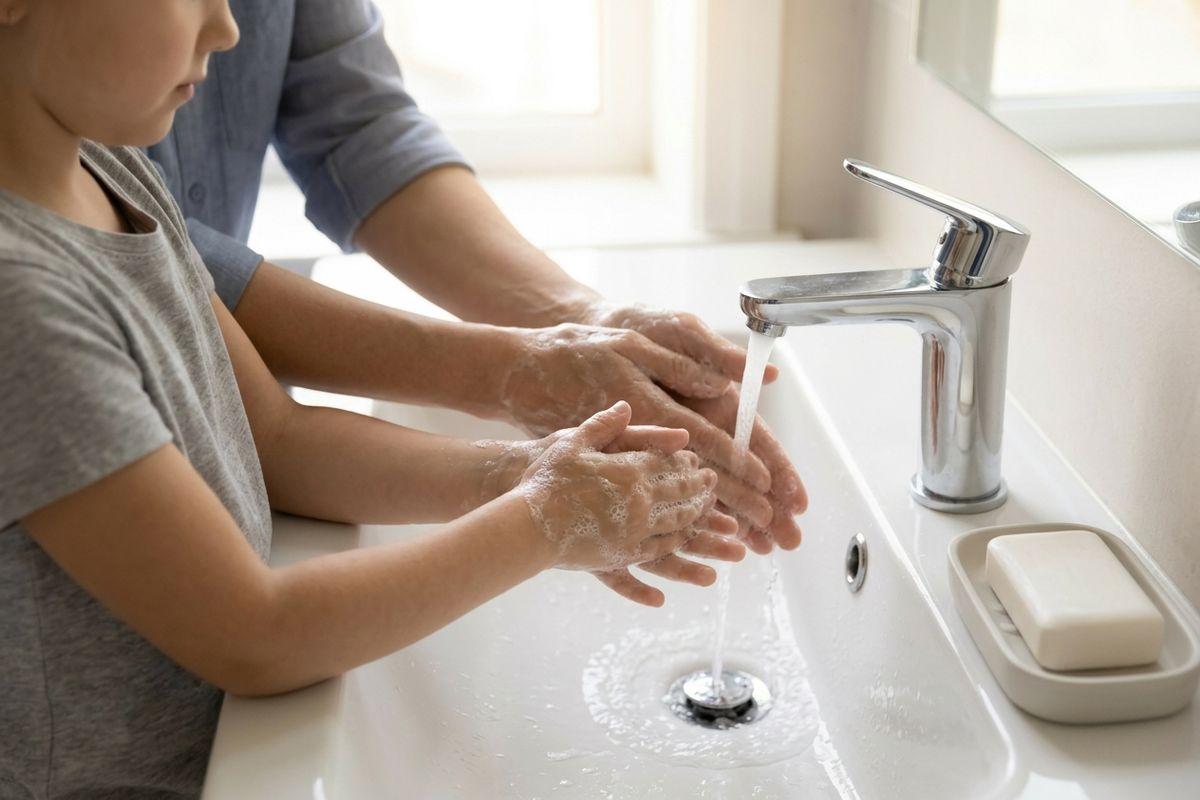
These simple habits can help keep pink eye from moving through your household:
- Wash hands with soap for 20 seconds, especially after touching the eyes.
- Wash towels and linens separately in hot water.
- Wipe down doorknobs and shared toys.
Time Away from School
With bacterial pink eye, your child should stay home until 24 hours after starting antibiotics. However, viral pink eye stays contagious as long as symptoms last, so your child should stay home until symptoms clear up.
Allergic and irritant types don’t spread from person to person, so your child can usually keep their normal routine.
When to See an Eye Doctor in Scottsdale
Book a visit if your child has any of these signs:
- Your child has eye pain, light sensitivity, or changes in vision.
- Eyelid swelling or redness gets worse.
- Your child develops a fever.
- Symptoms persist or worsen instead of fading.
What to Expect at the Appointment
Your eye doctor checks your child’s eyes for redness, swelling, and goop. You’ll answer a few questions about symptoms and whether anyone at home or school has been sick.
This visit can also help rule out look-alike eye conditions.
Treatment and Comfort Care
Viral pink eye usually clears within 7 to 14 days. For bacterial types, your eye doctor may prescribe antibiotic drops or ointment.
At home, cool compresses and gentle cleaning around the eyes can help your child feel more comfortable while they heal.
Get Answers for Your Family at Eye Lab
Red, watery eyes can throw off your whole week. Our team at Eye Lab can help you find out what’s behind your child’s pink eye and explain each step, so you leave knowing how to care for them at home.
If you’re looking for an eye doctor in Scottsdale, book an appointment with Eye Lab today. While you wait, relax in the lounge with a refreshment and say hello to Simba, our resident feline.