


Key Takeaways
- Eyelid twitching is a small, involuntary flutter that usually fades on its own.
- Common causes include being tired, stress, caffeine, and long hours on screens.
- More sleep, less caffeine, and regular screen breaks can calm most twitches.
- Dry or irritated eyes can add to the problem, so artificial tears and a warm compress may help.
- See an eye doctor if the twitch gets worse or doesn’t stop on its own.
It’s happened to almost everyone at some point: You feel a tiny flutter along your upper or lower lid. The twitching can come out of nowhere, and it can be hard to ignore. At Eye Lab, we know that you’re probably wondering what causes eyelid twitching and what to do about it.
In most cases, an eyelid twitch is harmless and should fade on its own. It’s usually a harmless, temporary spasm that goes away on its own.
Common Reasons Behind Eyelid Twitching
Some everyday habits can cause the flutter. Long days, poor sleep, and stress can cause the muscles around your eyes to twitch. Drinking a lot of coffee or energy drinks can also contribute.
Hours in front of a screen play a part too. When you stare at a phone or laptop, you tend to blink less, which can contribute to dryness and leave the lid twitching by evening.
Simple Ways to Calm the Twitch at Home
Small changes can make a real difference. Because the most common causes are lack of sleep and stress, the most common recommendations are to lower your stress levels and get better sleep. Here are a few of our top tips:
- Aim for 7 to 9 hours of sleep each night.
- Try to drink less caffeine and drink more water instead.
- Follow the 20-20-20 rule: Every 20 minutes, look at something 20 feet away for 20 seconds.
- Reduce your stress levels by doing activities like walking, exercising, or meditating.
Dry Eye Relief
Because dry eye can contribute to your eye twitching, treating your dry eye can be helpful. When your eyes feel dry, try using preservative-free artificial tears to keep the surface comfortable through the day. A warm compress over closed lids can also ease the tired, tight feeling.
Less Common Reasons for Twitching
Once in a while, a twitch points to something beyond daily habits. These situations come with clearer signs and usually involve more than a single lid:
- Blepharospasm, where both eyes squeeze shut on their own.
- Hemifacial spasm, which affects a whole side of the face.
These are less common and will often be accompanied by other symptoms. Still, it helps to know when a twitch might be more than tired muscles.
Signs It’s Time to See an Eye Doctor
Most twitches will go away on their own. However, if you notice any of the following, it may be time to book an appointment with an eye doctor in Scottsdale:
- The twitching gets worse instead of better.
- The spasm spreads to your cheek or jaw.
- You notice pain, redness, a drooping lid, or any changes in your vision.
What Happens During Your Eye Exam
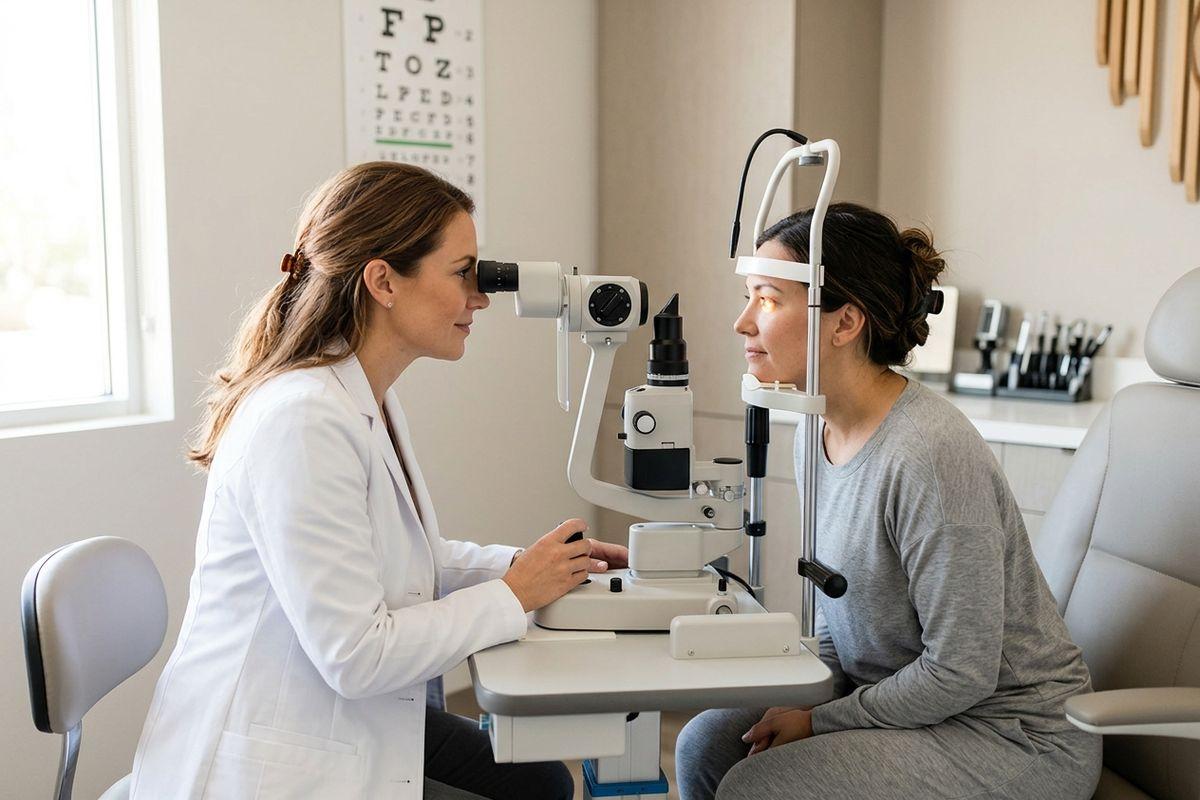
During your comprehensive eye exam, your eye doctor can look closely at the internal and external structures of your eyes. They can assess how clearly you see, detect early signs of vision changes, and check the surface of your eye for dryness or irritation. From there, you get a clear treatment plan built around what your eyes actually need, along with time to ask questions and understand what’s going on.
Book Your Appointment
At Eye Lab, families across North Scottsdale, Fountain Hills, and North Phoenix come in for comfortable, thorough eye care. If a twitch has stuck around or you simply want peace of mind, reach out to Eye Lab today and schedule your visit.