
Key Takeaways
- Vision develops throughout childhood, so clear sight supports how your child learns and plays.
- Squinting, head tilting, and sitting close to screens can sometimes point to a vision problem.
- Common issues include nearsightedness, farsightedness, astigmatism, and amblyopia (lazy eye).
- A full eye exam gives you a clear diagnosis and next steps.
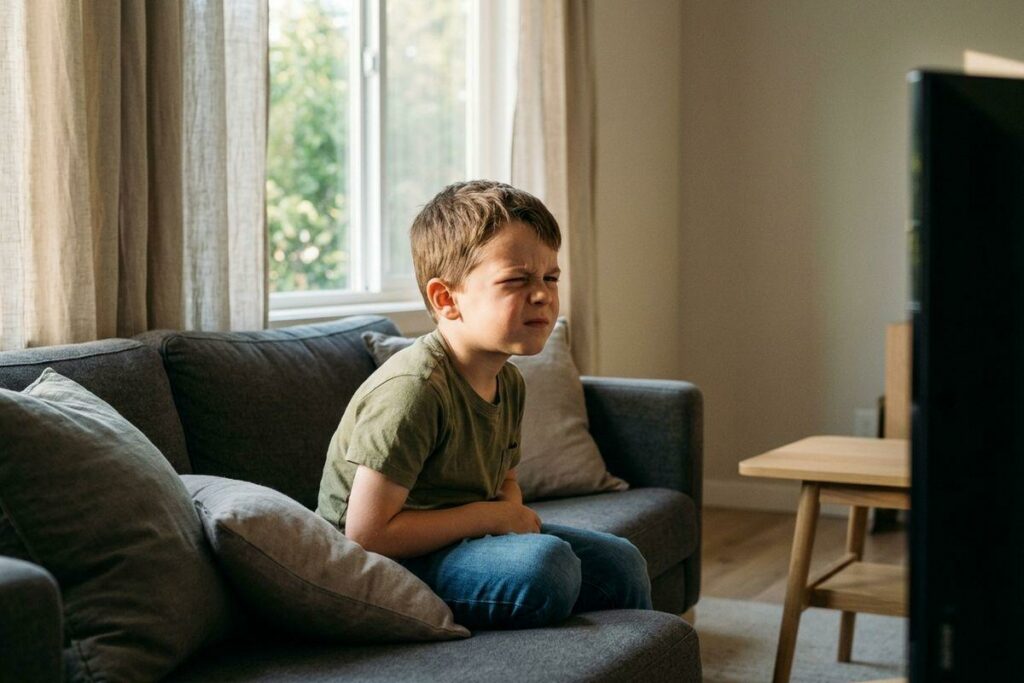
You’ve noticed your child squinting at the TV or holding books close to their face, and you may be wondering what’s going on with their vision. Small habits like these are easy to miss, but they may be a signal that their eyes need a little extra help. Our team at Eye Lab helps families in Scottsdale with concerns like this all the time, and would love to have a conversation with you.
It may be time to bring your child in for an eye exam if you notice them squinting, tilting their head, sitting close to screens, and having trouble reading at school.
Why Kids Need Glasses
Your child’s eyes are still growing during their early years. The way they see the world now shapes how they read, write, and even how confident they are at certain tasks. Clear sight helps your child follow along in class and catch a ball on the playground. When vision falls short, learning and play can feel harder than they should.
Glasses help bring images into clearer focus, making everyday activities like learning, reading, and playing more comfortable. Small adjustments early on can make a big difference in how your child experiences daily life.
Signs Your Child Might Have a Vision Problem
Kids often think the way they see is the way everyone sees, so they won’t tell you that they’re having trouble seeing. That’s why the signs tend to show up in how they act. If you notice these signs, it may be time for an eye exam:
- They need to squint or tilt their head to see something clearly
- They sit very close to screens or hold a book near their face
- They rub their eyes frequently
- They complain of frequent headaches after school or reading
Signs You May Notice with Schoolwork
Reading and time in the classroom is often when vision problems become more noticeable because kids need clear vision to learn. If your child has myopia (also called nearsightedness), for example, they may not be able to see the whiteboard, which can make it harder to follow what’s happening in class.
Watch for a few other habits during homework time:
- Losing their place or skipping lines while reading
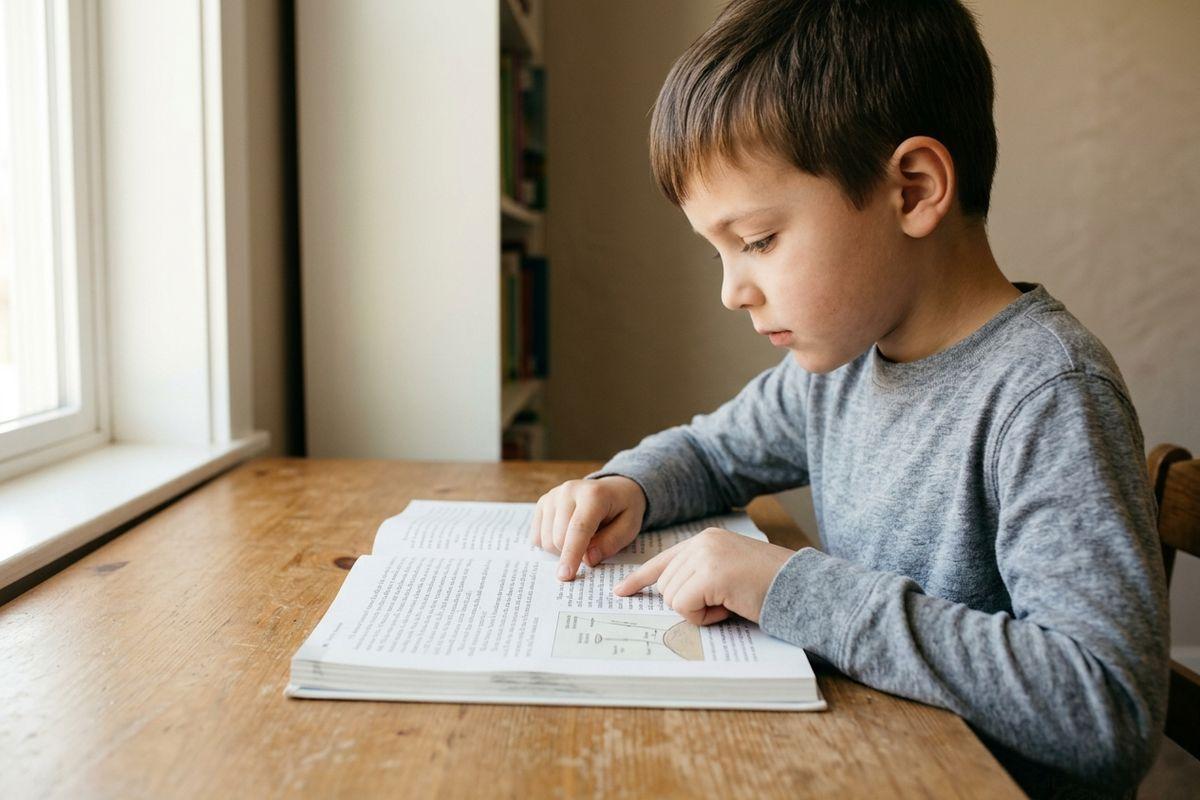
- Needing to use a finger to keep track of words
- Avoiding reading or getting tired of reading quickly
Common Vision Problems Behind These Signs
The signs you notice can sometimes trace back to a handful of common issues. A closer look during an eye exam can help our eye care team determine which condition your child may have.
Nearsightedness and Farsightedness
Nearsightedness makes faraway things look blurry, like the whiteboard or a road sign. Farsightedness does the opposite, blurring things up close, such as a book.
Myopia control options can help slow the progression of myopia over time, supporting your child’s long-term vision health. Our team can walk you through the options to decide what may work for your family.
Astigmatism and Amblyopia
Astigmatism can make text look distorted or blurry at any distance. Amblyopia, sometimes called lazy eye, develops when one eye doesn’t develop normal vision during childhood, causing the brain to rely more heavily on the other eye.
Both conditions are manageable, with many options available to help support your child’s sight as they grow. But detecting them early can help avoid frustration in and out of the classroom.
Vision Screening vs. An Eye Exam
A school screening is a general test to see if your child may have blurry vision, and it can flag a possible problem. However, a vision screening is not a complete eye exam and doesn’t test for problems beyond blurry sight.
What Happens During a Full Eye Exam
An eye exam goes deeper than just reading letters off a chart. Our eye doctor in Scottsdale can check how sharp your child’s vision is, how well the eyes work together, depth perception, and get a complete picture of their eye health.
When you bring your family to Eye Lab, you leave with answers and a plan you can understand.
How Often Your Child Should See an Eye Doctor
Eye exams can start in infancy and continue each year as your child grows. These regular visits help detect changes before they affect school or play. Once your child wears glasses, annual visits are usually recommended to help keep the prescription current. A quick update can help keep everything looking clear.
Find Out if Your Child Needs Glasses
At Eye Lab, we are committed to making sure every member of your family feels comfortable and confident at their appointment. Whether you’re coming by to browse the eyewear boutique or you want to say hello to Simba, our resident cat, we’d love to see you. Book an appointment today.